Introduction
Living with an ostomy can be a life-altering experience. Whether as a result of a clinical problem that calls for surgical intervention or as an outcome of serious trauma, recognizing ostomy care is important for individuals, caretakers, and medical care experts alike. This extensive guide intends to light up the relevance of ostomy care by specifying finest methods and procedures, making sure that those who need stoma care can lead satisfying lives with self-respect and confidence.
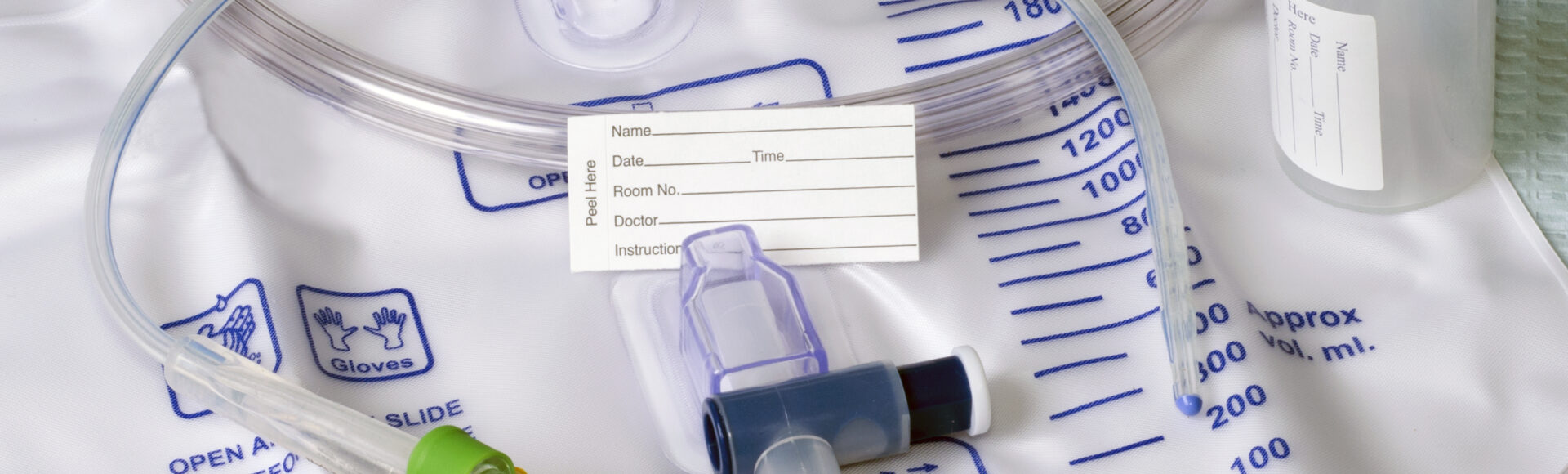
What is Ostomy Care? Defining Best Practices and Procedures
Ostomy care refers to the administration of the stoma and surrounding skin after procedures that develop a synthetic opening in the body for waste removal. Ostomies may occur from numerous medical conditions such as cancer, inflammatory digestive tract conditions (IBD), or hereditary irregularities. The main objective of ostomy care complex bowel care is to maintain skin honesty, stop problems, supply psychological support, and facilitate general health.
Effective ostomy care begins with comprehending what a stoma is. A stoma is an opening developed throughout surgery that connects an interior organ to the beyond the body. With this in mind, it's necessary to follow best methods for caring for an ostomy, which includes proper health, normal assessment of the stoma's wellness, and using ideal supplies.
Understanding Stomas: Types and Functions
Types of Stomas
Colostomy: Produced when component of the colon is removed. Ileostomy: Formed when the ileum (the last part of the little intestine) is brought out. Urostomy: Entails rerouting urine from the kidneys through a stoma.Functions of a Stoma
- Allows for waste elimination. Reduces discomfort related to digestive disorders. Enhances lifestyle post-surgery.
The Importance of Training in Ostomy Care
Training is important in making sure effective ostomy monitoring. Programs like stoma treatment training for carers outfit caregivers with necessary understanding and abilities necessary for giving high quality care. Additionally, programs concentrating on complex bowel care-- such as the complex bowel treatment course-- offer specialized training targeted at individuals handling intricate bowel issues.
Benefits of Appropriate Training
- Increased confidence amongst caregivers Improved person outcomes Reduced problems connected with inadequate stoma management
Best Practices in Ostomy Care
1. Maintaining Skin Integrity
Skin irritation around the stoma can bring about infections or other issues if not handled properly.
Tips:
- Use skin barriers prior to using pouches. Regularly look for signs of irritation or infection. Cleanse gently with light soap and water.
2. Regular Assessment
Conduct regular assessments to check modifications in stoma appearance or function.
Key Indicators:
- Color (should be pink or red) Size (changes may suggest issues)
3. Appropriate Pouching System
Choosing the best pouching system plays a significant role in efficient ostomy management.
Considerations:
- Type of stoma Activity level Skin sensitivities
Challenges in Ostomy Care Management
1. Psychological Challenges
Living with an ostomy can significantly impact one's mental health.
Support Techniques:
- Joining assistance groups Seeking therapy services
2. Physical Challenges
Some patients may face difficulties adjusting literally post-surgery.
Solutions:
- Engage in gentle exercises. Consult physiotherapists specializing in post-operative recovery.
FAQs concerning Ostomy Care
1. What ought to I do if my stoma modifications color?
If your stoma adjustments shade from its normal pinkish tone to dark red or purple, contact your healthcare provider immediately as this can suggest reduced blood flow.
2. How frequently should I alter my pouch?
Typically, you need to alter your bag every 3-- 7 days unless it becomes complete or leaks prior to then.
3. Can I swim with an ostomy?
Yes! Lots of people with ostomies swim with no concerns; simply guarantee you have a waterproof pouching system.
4. What foods must I stay clear of after getting an ostomy?
Certain foods can create gas or blockages; these consist of corn, nuts, and seeds. Constantly consult your dietitian for personalized advice.
5. How do I take care of smell from my ostomy?
Using top quality bags created to decrease smell and guaranteeing correct installation can assist manage unpleasant scents effectively.

6. Exists training offered for caregivers?
Yes! There specify training programs like NDIS complex bowel care training that provide education on caring for people with ostomies effectively.
Conclusion
Understanding what makes up reliable ostomy care is vital not just for clients but likewise for their caregivers and doctor alike. By adhering to finest practices-- maintaining skin honesty, frequently evaluating stomas, using ideal pouching systems-- and acknowledging prospective obstacles faced by individuals dealing with an ostomy, we can boost their lifestyle significantly.
Training programs such as those covering complex bowel care better encourage both clients and caregivers alike by outfitting them with essential skills required for ideal management approaches while resolving psychological elements related to dealing with an ostomy successfully.
As society proceeds advancing towards better acceptance and understanding surrounding concerns including physical adjustments because of surgical procedures like these-- the emphasis continues to be firmly put on empowering individuals with education and learning concerning proper techniques involved in managing their unique situations effectively!
This post intends not only to educate yet likewise inspire self-confidence amongst those navigating life post-surgery regarding just how finest they can keep control over their health results moving forward! If you're keen on checking out more about topics connected straight towards enhancing general well-being in the middle of difficult situations-- remain tuned as we delve much deeper into numerous facets concerning ongoing innovations within this crucial field!